

Protecting Wildlife.
Connecting People to the Wild.
A Place for Conservation Community and Career Development
Welcome to my Conservation Corner
A Little About Me:

I’m Tesa Mendoza, a dedicated Wildlife Conservation Biologist & Primatologist passionate about preserving species and their ecosystems. With hands-on experience in animal rehabilitation and field research, I lead conservation projects that bridge science, community, and nature.
Whether you're an organization aiming to strengthen your conservation efforts or an individual looking to gain hands-on experience in wildlife protection, I’m here to provide guidance and support. Let’s collaborate to drive impactful, science-backed solutions for wildlife and ecosystems.
-

Conservation Conversation
Join me in a 1:1 Video Call! We'll discuss career paths, essential skills, and personalized strategies to help you focus on your specific goals and set a clear plan for moving forward.
-
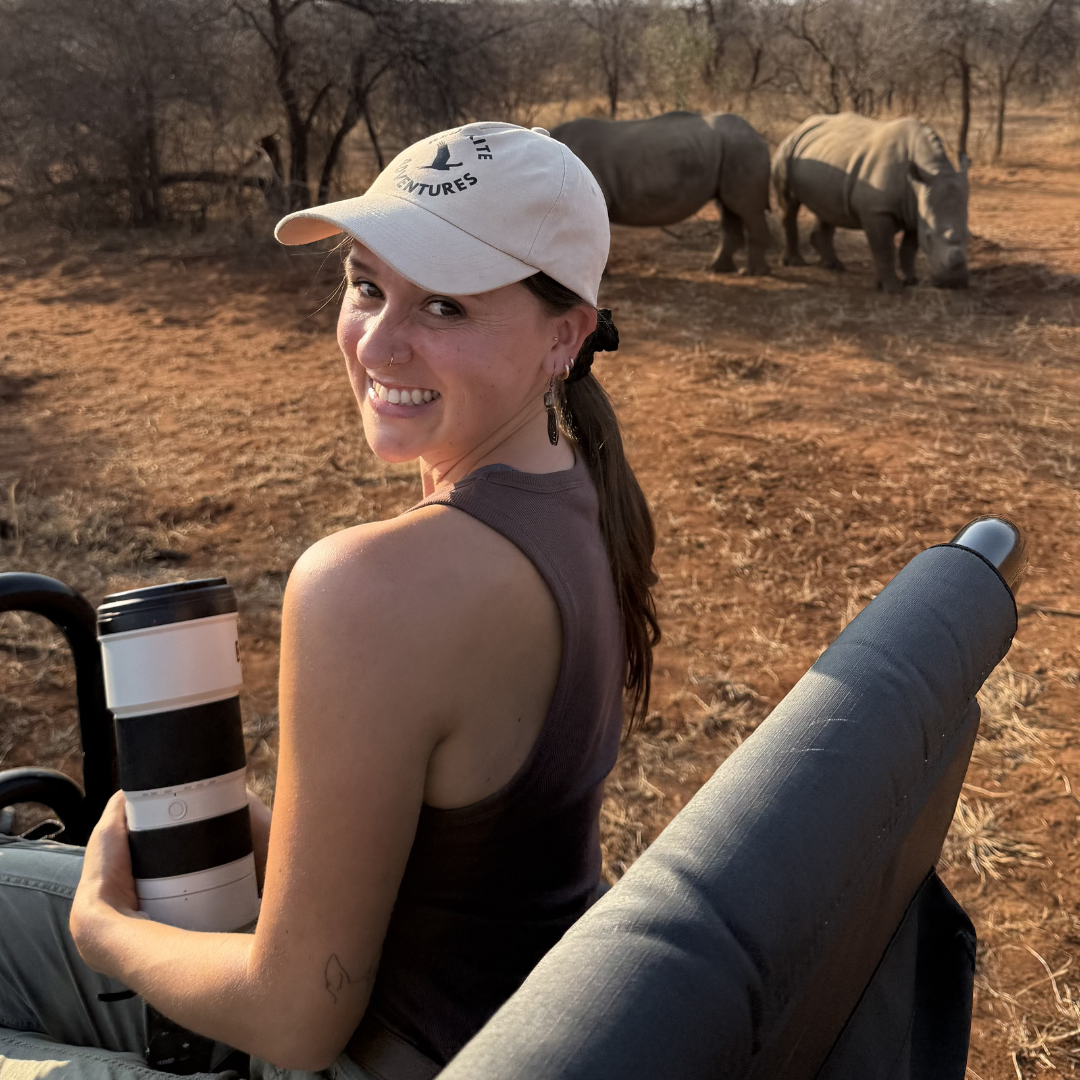
International Trips
Join me on ethical wildlife adventures designed for budding conservationists, field scientists, and explorers seeking unique, immersive experiences in the natural world.
-

Subscribe to Wild Webinars
Join our conservation community for engaging group discussions where we share insights, tackle pressing wildlife issues, and collaborate on real-world solutions.

Testimonials from 1:1 Career Calls
Upcoming Ethical Eco-Traveling Experiences
As a Wildlife Conservation Biologist with years of hands-on field experience, I’m uniquely positioned to guide you through both the science and soul of conservation. These tours are more than just a trip; they're immersive experiences designed for those ready to make a meaningful impact in the world while discovering its beauty and diverse communities.
Tanzania trip dates
18th – 27th February 2027
Tanzania trip itinerary
18th February: Arrival in Arusha and relax before orientation meeting (please arrive before 6pm)
19th February: Start your trip with a bang as we’ll be learning how to make coffee with the Meru tribe in the foothills of Mount Meru. A chance to spot Blue Monkeys and chameleons.
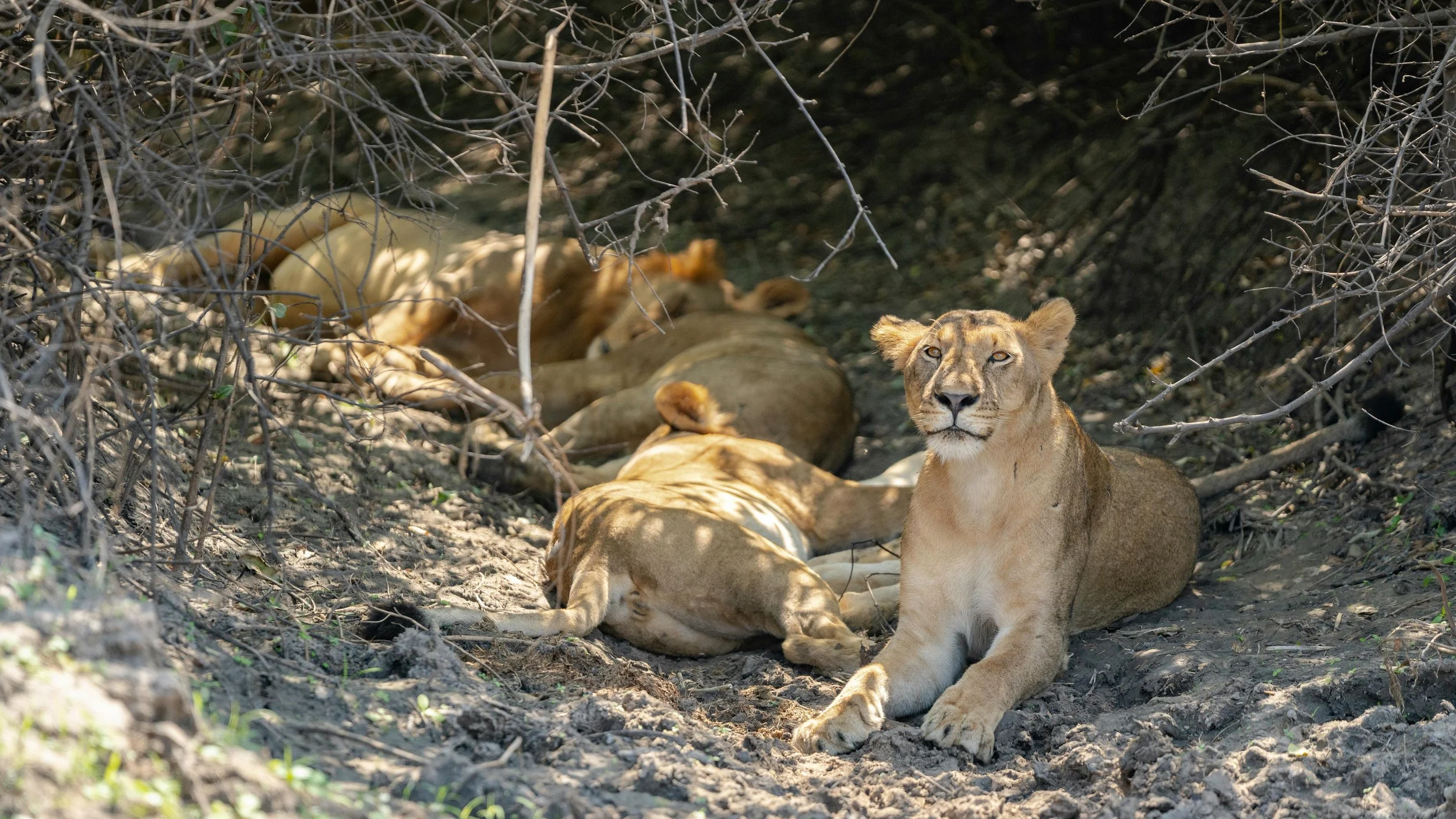
20th February: Today we’ll be driving to Tarangire NP, the elephant capital of Tanzania with a chance to spot some of Africa’s most incredible wildlife. Keep your eyes peeled for the Big 5 and more!
21st February: Continue your spectacular safari in the amazing Ngorongoro Crater, and then head into the Serengeti
22nd February: After a fun night of camping in the bush, we’ll be driving further into the magnificent Serengeti with a chance to spot some of Africa’s most incredible wildlife. Keep your eyes peeled for the Big 5 and more!
23rd February: Drive through the Serengeti to Lake Natron, with a chance to see flamingos and, if you’re lucky, very rare melanistic giraffes. Lake Natron is backed by the majestic Ol Doinyo Lengai mountain, which you can also choose to climb (but be ready for a VERY early morning start!)
24th February: Today we will hike to a waterfall that Maasai people believe brings good luck to all who swim in it! In the evening, we’ll have a beautiful sundowner on the lake with the tribe who have hosted us, and a chance to learn some traditional Maasai dancing!
25th February: After a final safari drive to see if we can spot the giraffes and flamingos, we’ll drive back to Arusha
26th February: A relaxed day in Arusha with a chance to take an optional day trip to the nearby Chemka Hot Springs, or just explore the city before our farewell dinner
27th February: Trip ends, leave anytime. We can help you arrange transfers back to the airport.
Accommodation: will all be twin share with a private bathroom. If you wish to have your own room and are not happy to share, there will be a small additional supplement. We will have 3 nights camping in the Serengeti, though we may have lodge upgrade options available on request.
NOTE: You will receive full trip notes, detailing accommodation, a packing list and more information for this itinerary closer to the time, but accommodation will generally be basic, as we are staying mainly in locally-run accommodation (where possible). Bedding will be comfortable and suitable, and you will still have a private bathroom (unless camping), but there may be no hot water for parts of it (though I will always try to secure hot water where possible). There may also be nights where we may lose electricity, depending on the situation in Tanzania.
Where possible, all accommodation will include WiFi (though this is a little trickier in the National Parks, I recommend to purchase a SIM card just in case it is spotty) and all accommodation includes electricity.
Tanzania Trip Cost
The cost of this trip is £2345 GBP per person on a twin-share basis
We will also accept the equivalent in EUR, USD or other currencies if it is possible. Please note that this cost is subject to exchange rate fluctuations.
If you wish to pay in EUR, USD or another currency that is not GBP, we can accept payment via bank transfer. This will be via an invoice with a payment plan so that you may complete payment that way.
Unfortunately we cannot accept responsibility for any payment fees imposed by the bank, but there will be no fees from our side to pay in EUR or USD.
The deposit for this trip is £200 GBP or equivalent in another currency.
Within a week of your deposit payment, you will receive an email confirming your spot and a form asking you some follow up questions, such as dietary requirements etc.
YOUR DEPOSIT IS NON-REFUNDABLE, unless we cannot confirm your spot on the trip within a week of booking (for reasons within our control), in which case a full refund will be offered.
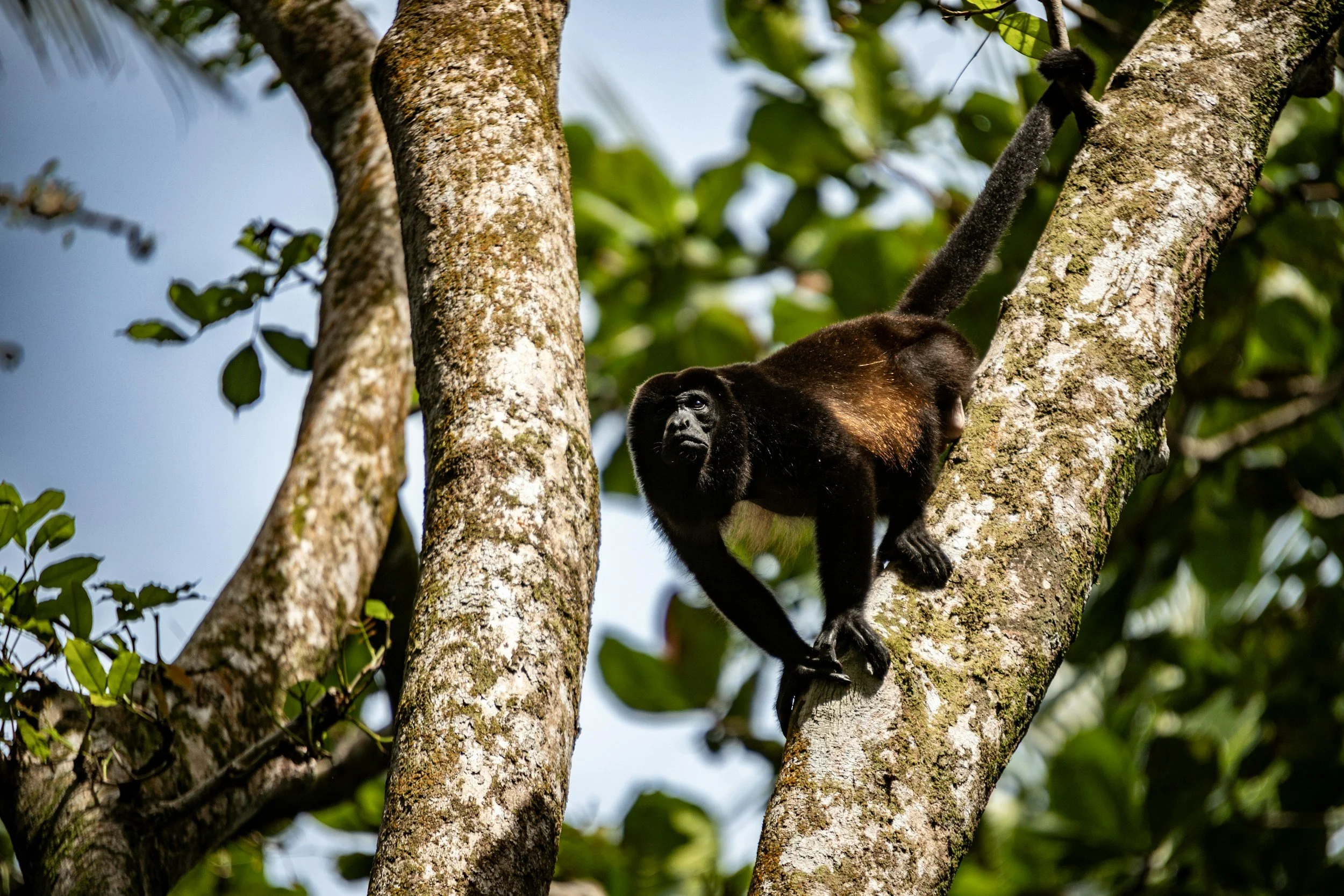
I vividly remember how it felt to be a young girl, craning my neck in the jungles of Costa Rica. I would carefully inspect the movement of the trees, eyes straining for the tell-tale swaying of branches. I recall the awe I felt walking through the doors of the first rescue center I volunteered at, and developing my first tangible connections with the rehabilitation world. I curiously watched interns work hands-on with the animals, and decided that I would return to complete an internship myself. I remember how it felt to hold my Wildlife Conservation Biology diploma and how eagerly I anticipated the beginning of my professional career.